

Commentary
Pierre Vimont
{
  "authors": [
    "Pierre Vimont"
  ],
  "type": "commentary",
  "blog": "Strategic Europe",
  "centerAffiliationAll": "",
  "centers": [
    "Carnegie Endowment for International Peace",
    "Carnegie Europe"
  ],
  "collections": [
    "The Iran War’s Global Reach"
  ],
  "englishNewsletterAll": "",
  "nonEnglishNewsletterAll": "",
  "primaryCenter": "Carnegie Europe",
  "programAffiliation": "",
  "regions": [
    "Europe",
    "United States",
    "Iran",
    "Israel",
    "Gulf",
    "Middle East"
  ],
  "topics": [
    "Defense",
    "EU",
    "Foreign Policy",
    "Nuclear Policy",
    "Security"
  ]
}
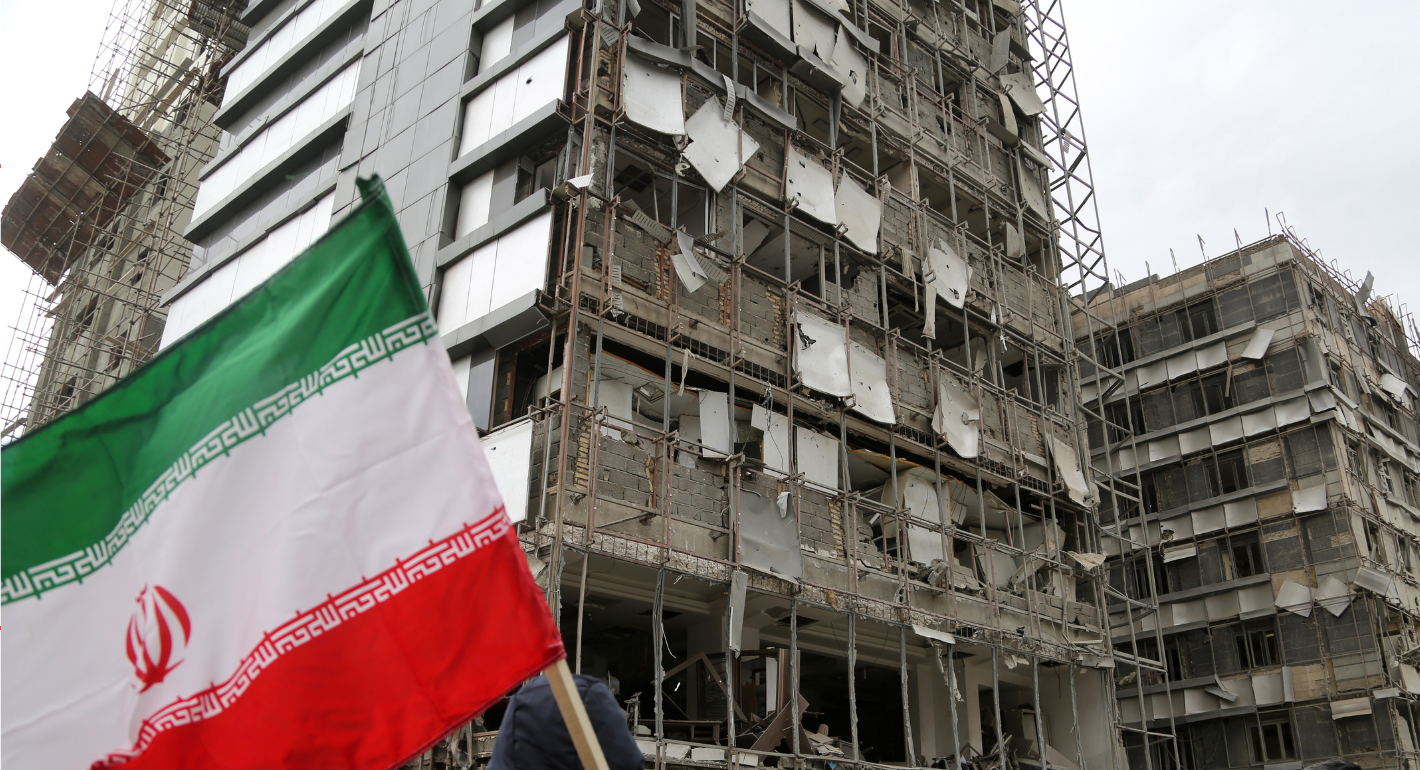
Source: Getty
Europe’s reaction to the war in Iran has been disunited and meek, a far cry from its previously leading role in diplomacy with Tehran. To avoid being condemned to the sidelines while escalation continues, Brussels needs to stand up for international law.
There aren’t many foreign policy issues the EU has managed to play a role in, but Iran was one of the rare cases where it did. No longer.
The framework deal on Iran’s nuclear program known as the Joint Comprehensive Plan of Action (JCPOA) that was reached in 2015, had begun in 2003 as a diplomatic initiative led by the EU and France, Germany, and the UK. But since the United States withdrew from the deal in 2018 and, along with Israel, took increasingly unilateral kinetic action against Iran, what had been the most significant achievement of the EU’s nascent diplomacy became its irreversible decline.
With the massive attack the United States and Israel launched against Iran on February 28, Brussels has slipped into a starkly paralyzed role as mere commentator on the geopolitical upheaval on its Southern flank.
While U.S. President Donald Trump initially cast this war as a push for regime change, Europeans preferred not to see this operation for what it was. Instead, the EU made a statement with a long list of all the real grievances that exist with the theocratic Iranian regime, but one that eschews the controversial core of the matter: a deliberate attempt at overthrowing the leadership of a sovereign nation.
As the war has raged, spreading wider, growing in intensity, and directly threatening increasingly important EU interests, Brussels has stuck to a mellow call. It pleads for the respect of international law, the restoration of regional security, and the end of Iran’s nuclear program, while supporting the fundamental freedoms of the Iranian people. It was left to member states individually to eventually state their own national positions on the regime change dilemma and condemn what they deemed a violation of international law.
The EU’s passivity is all the more confounding because one member state—Cyprus—has already suffered direct hits in this war, when drones struck the British air base at Akrotiri. And after the countries in the Arab Gulf and the Levant, it is the EU and its member states that will have to deal with the inevitable instability and uncontrollable security, economic, and societal fallout of this war when the United States declares the end of its operations, packs up, and goes home.
In the immediate timeframe, Israel and the United States have successfully decapitated the Iranian theocracy. They managed to kill the country's Supreme Leader Ayatollah Ali Khamenei in the opening salvo of their attack. The EU’s meek positioning might cynically be considered the political price to pay for finally getting rid of a figure who increasingly looked like the one remaining obstacle to any agreement with Iran. This reasoning may have its rationale, but it is not flawless.
Khamenei’s demise could well open the gate to a profound political change, but it might just as well reinforce the most radical elements of the current regime. By passively condoning the operation that led to his killing, Brussels has weakened the already diminished role it could have played in the political aftermath.
European leaders will be seen once again as not practicing the liberal principles of international law and order that they constantly preach. This renewed perception of a double standard attitude not only undermines Europe’s position on Russia’s war against Ukraine, it further sidelines it as an unserious actor.
Pragmatist observers will argue that with Tehran weakened, there is now at least a genuine opportunity to strike a deal that either dismantles or weakens Iran’s nuclear and ballistic missile programs. German Chancellor Friedrich Merz stated that recalling international law was irrelevant, and that Europeans should stop being too critical of U.S. conduct because despite not having been able to achieve them themselves, they share many of their ally’s goals.
But at this stage, nothing indicates that the U.S.–Israeli attacks on Iran will produce a rapid settlement of the nuclear and ballistic challenge. Tehran’s current leadership perceives the ongoing war as an existential threat. It has responded with almost all escalation options available to it. It has blockaded the Strait of Hormuz, a vital waterway for Europe’s energy supply. It has targeted civilian and energy infrastructure in Arab Gulf countries, doubling European natural gas prices in the space of twenty-four hours. And through its proxies, it has attacked an EU country. If it survives the current assault, the Iranian regime will likely be more reluctant to make a framework deal with the West.
This war will only deepen the already profound distrust between Iran, Europeans, and the United States. While countries like Qatar, Oman, and Turkey continue diplomatic efforts to provide off-ramps and stop the war, rebuilding the path to a comprehensive deal with Tehran will be difficult. In the end, only patient dialogue and confidence-building measures can produce a lasting result.
This is where Europe had, in the past, found a role well-suited to its status. The JCPOA was certainly fraught with many faults, but it had the advantage of laying down a framework for strictly-controlled nuclear inspections and a mutually beneficial cooperation if all parties stuck to the deal.
And so with its overly cautious attitude and deliberate ignorance of the most controversial dimension of this new war, Europe risks condemning itself to the status of sidelined player. It is all the more frustrating as this conflict offers a genuine opportunity for more ambitious diplomatic action.
With the United States in search of a strategy, Arab Gulf countries desperately in need of regional security, and Iran probably on the verge of a lasting domestic political crisis, Europe could provide useful guidance and concrete propositions for a renewed dialogue with Iranian leadership. But to regain that role, Europeans must drop their present reluctance to stand up and be counted as promoters of a more traditional diplomatic action.
Uncertain wars rarely lead to stable outcomes. If only for that reason, diplomacy should not be dismissed too lightly.
Subscribe to Strategic Europe, delivered to you weekdays!

Senior Fellow, Carnegie Europe
Pierre Vimont is a senior fellow at Carnegie Europe. His research focuses on the European Neighborhood Policy, transatlantic relations, and French foreign policy.
Recent Work
Pierre Vimont
Pierre Vimont
Carnegie does not take institutional positions on public policy issues; the views represented herein are those of the author(s) and do not necessarily reflect the views of Carnegie, its staff, or its trustees.

The EU is putting together a new security strategy to meet today’s myriad challenges. But for any proposal to be effective, the union needs to grapple with its identity and ambitions.
Pierre Vimont

The EU’s new migration policy is not suited to today’s realities. With climate change increasingly becoming a driver of displacement, Europe needs to rethink its deterrence-focused approach.

Shana Tabak
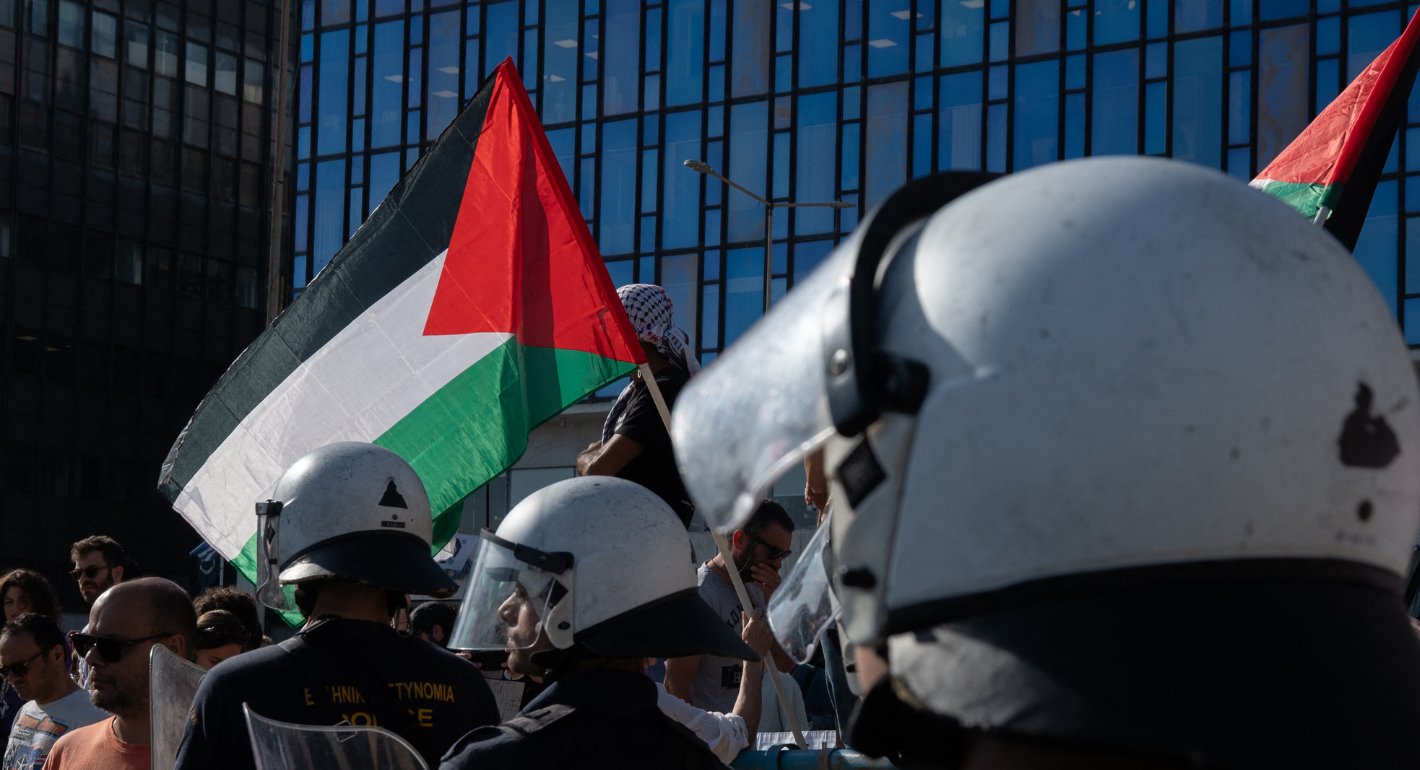
The battle over free speech has taken center stage since U.S. Vice President JD Vance accused Europe of censorship. From travel bans to social media regulation, especially around the Israel-Palestine conflict, are liberal democratic governments weaponizing free speech?

Rym Momtaz, ed.
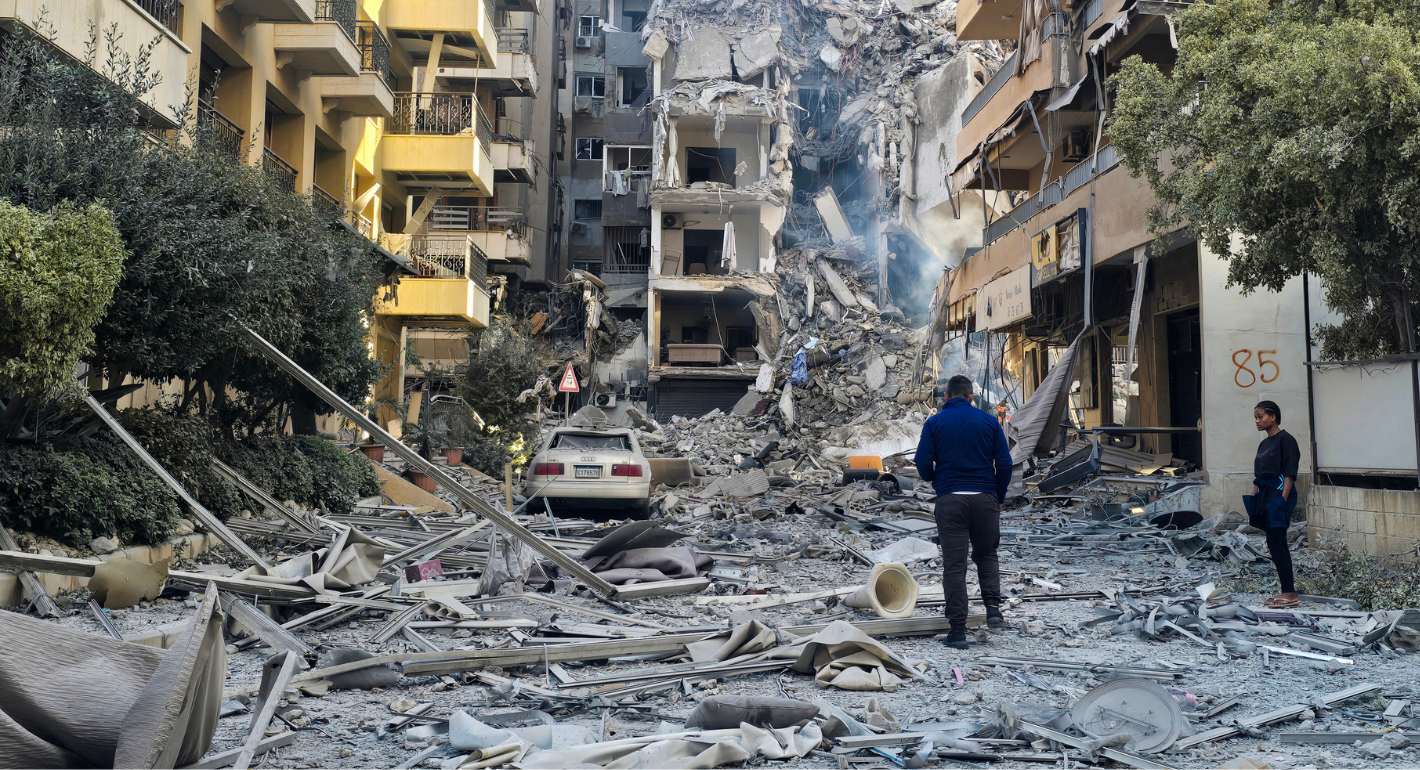
Europe seems to have accepted its sidelining in the Middle East. The EU must reassert its support for the international rules-based order and step up engagement.
Rym Momtaz

Amid uncertainty caused by the Iran war, the global drive for nonproliferation has stalled. With Europe diplomatically marginalized and countries reassessing their nuclear options, efforts to curb the spread of nuclear weapons risk becoming irrelevant.

Jane Darby Menton